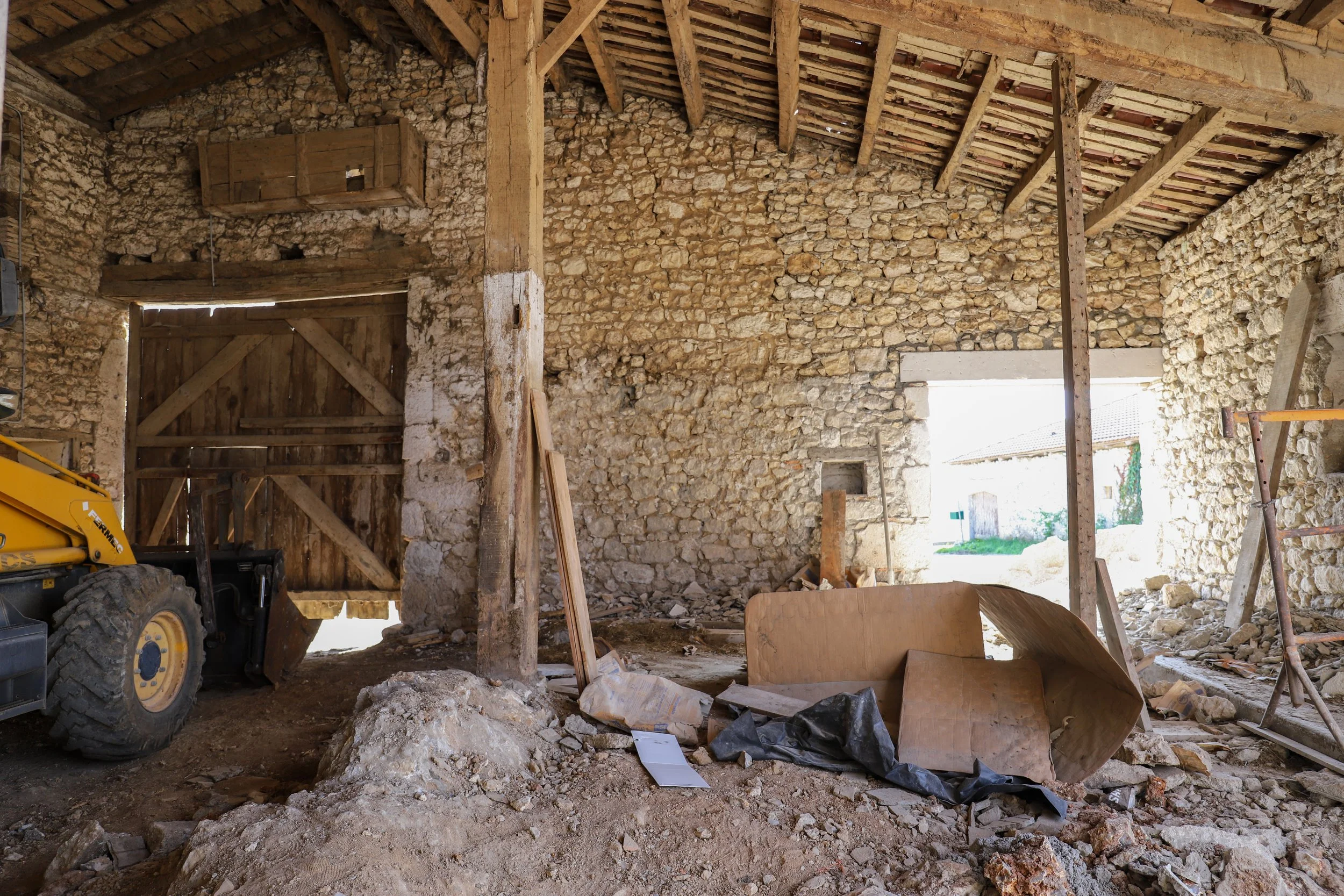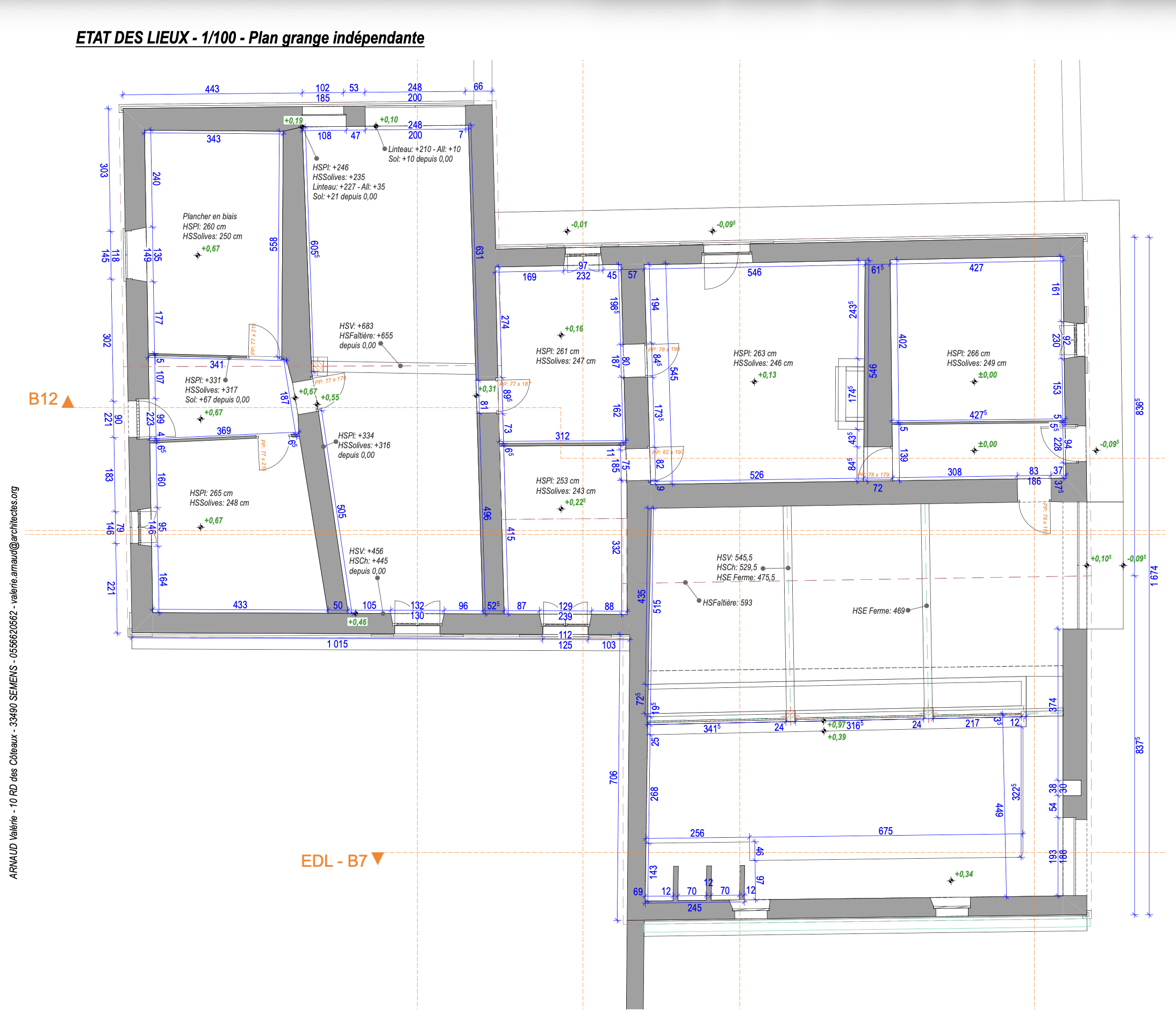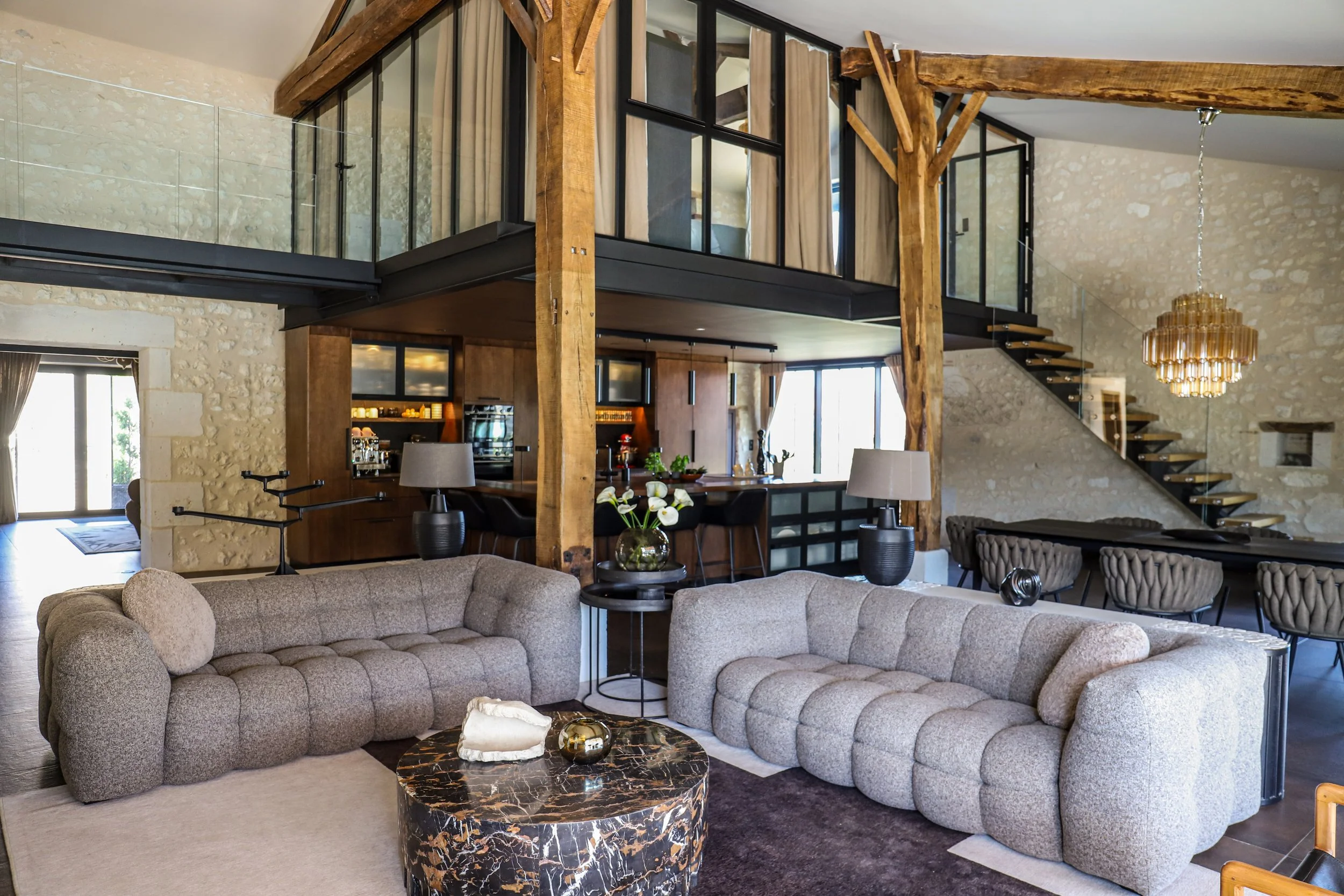
With endless possibilities, open plan living spaces benefit from an iterative process of 2D and 3D space planning.
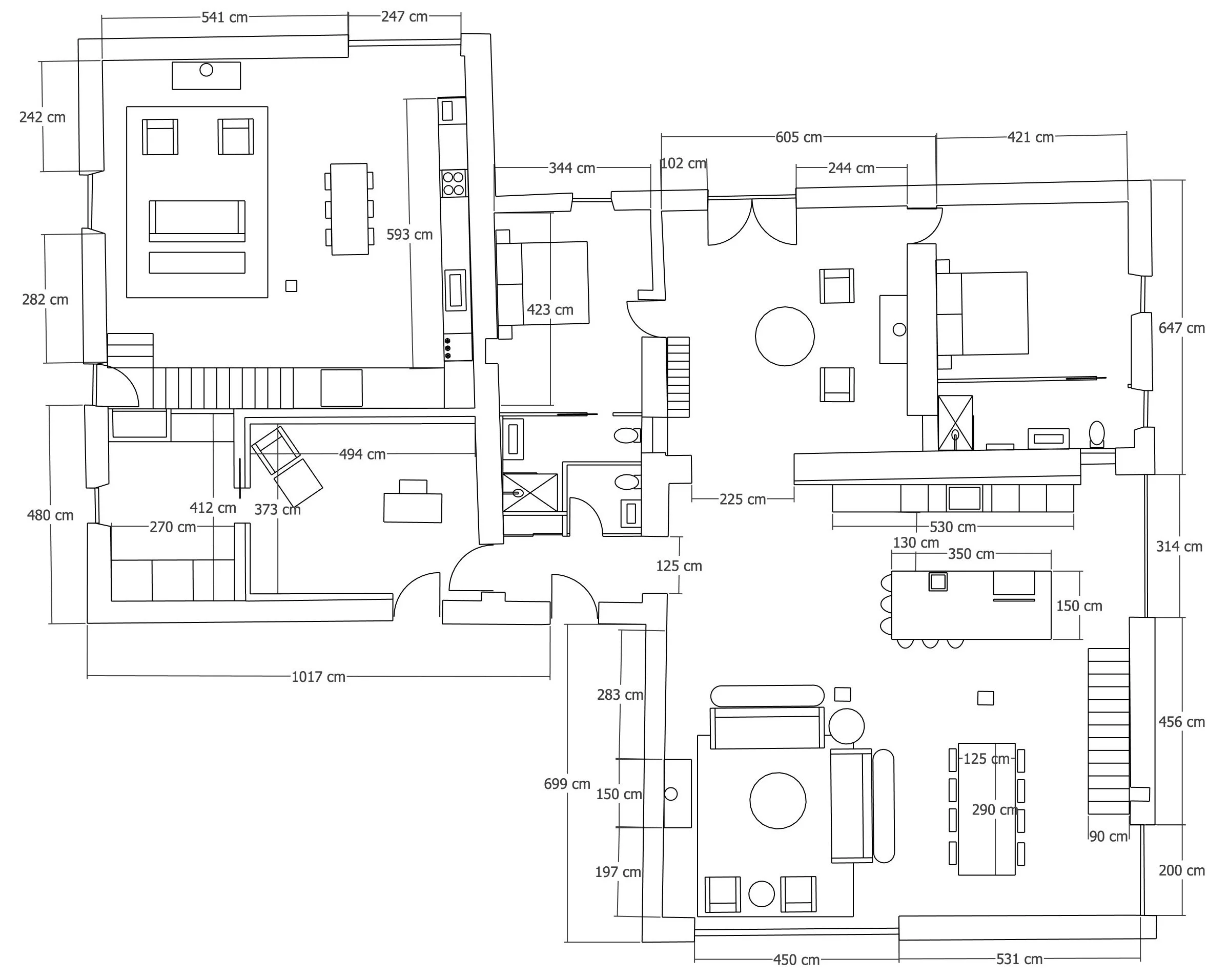
2D dimensioned floor plan of the final design
The 2D Floorplan
We start with a dimensioned 2D floor plan. This is the sandbox for creative layouts and where we first see exactly how much space is available and the different ways it can be laid out. Here is where we also check the flow, how will people move through the space, is it efficient, are there moments for a dramatic peak or slow reveal? A 2D floorplan also ensures the incorporation of negative space to counter-balance the weight in a room. Negative space is rarely noticed when standing in a space, but it is always felt. Belabouring the details in 2D costs only time, but can make or break the success of an interior design.
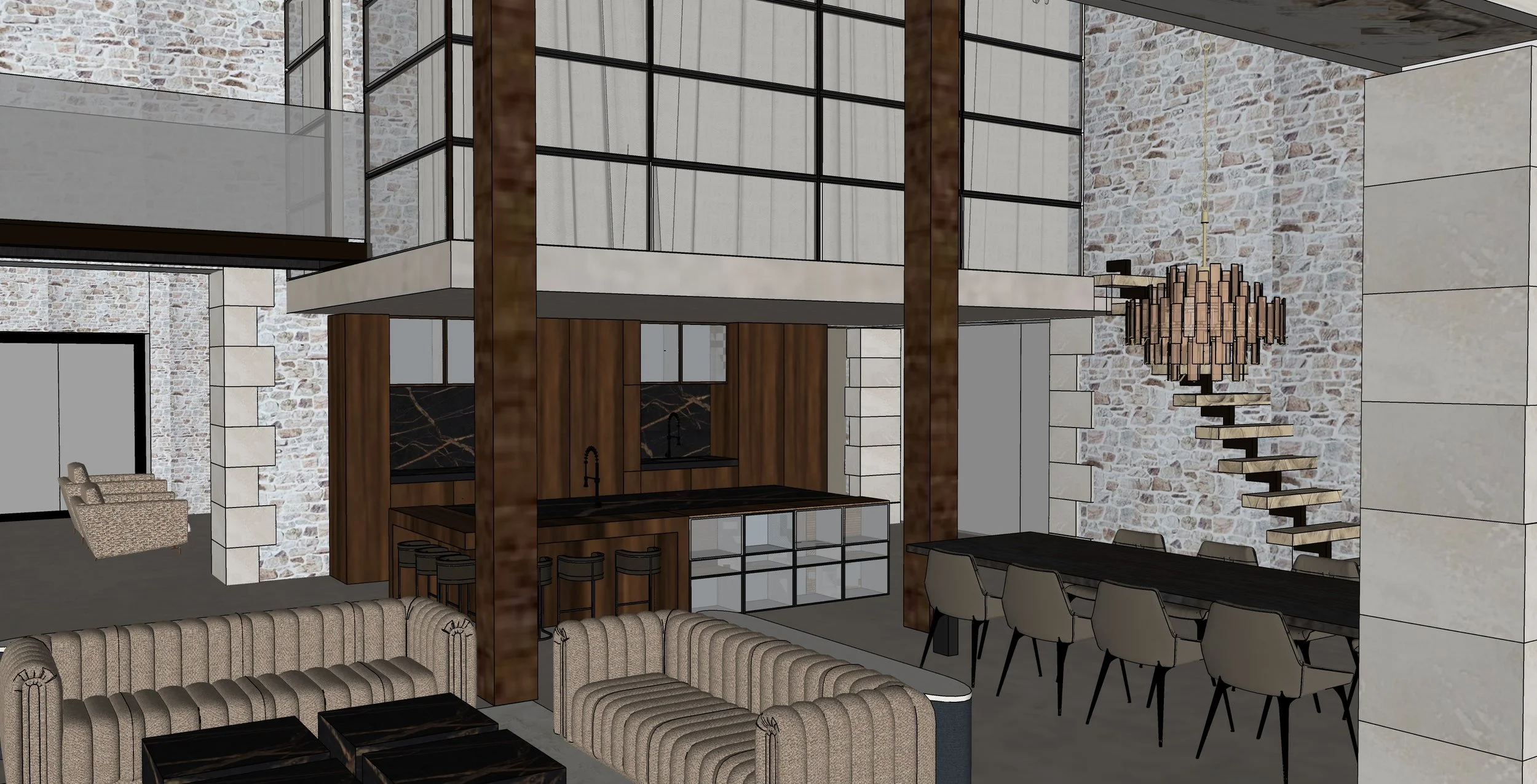
3D Model of the final layout
The 3D Model
It can be difficult to fully imagine a space simply by looking at a 2D floor plan, so from the final agreed 2D floor plan, we raise the 3D model. A 3D model enhances the visibility of the floor plan by taking you inside the space to get a real sense of how it will feel. The addition of materials, textures and colours into the model will bring the space to life and help you make decisions on the finishes and fixtures well in advance of the build.